Sigma BF Camera Review: Full-Frame Mirrorless Worth Buying?
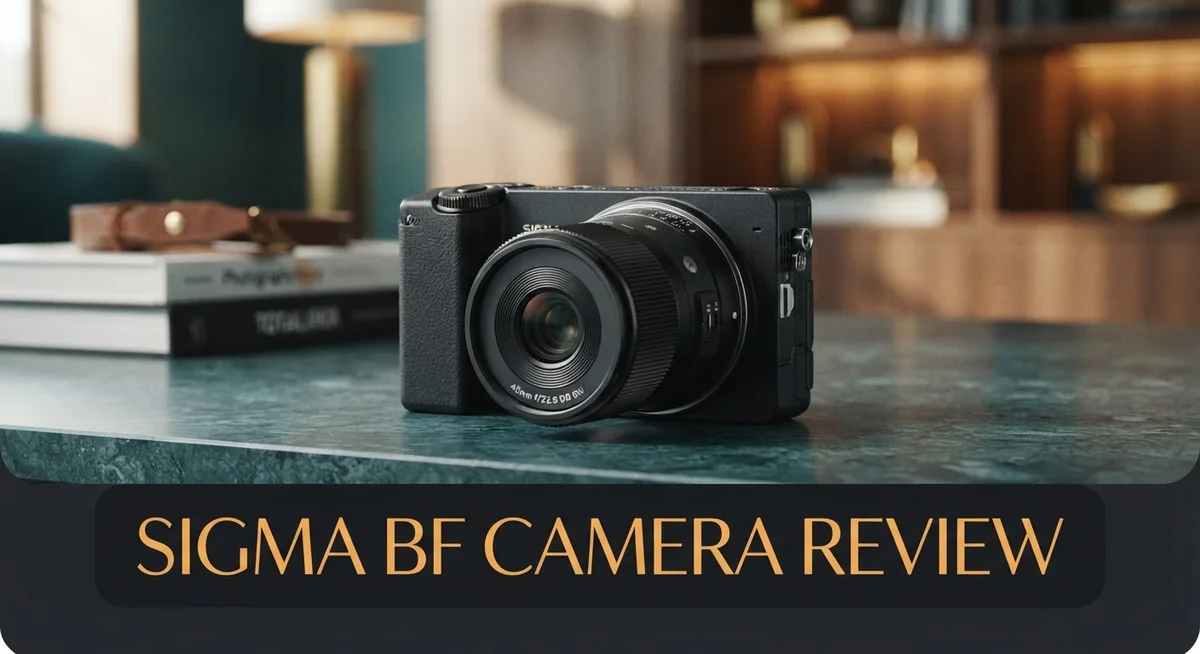
The Sigma BF camera turns heads with its bold design. It strips away clutter and focuses on what matters. This full frame camera blends art with function in a way few cameras do.
Built from a single block of aluminum, the Sigma BF feels solid in your hands. Its minimalist design hides a powerful 24.6MP sensor. You get stunning image quality in a compact body.
This camera is not just about looks. It packs hybrid autofocus that tracks eyes and subjects with ease. You also get 6K video and L Log support for creative filmmakers.
Is the Sigma BF the right camera for you? This review covers every detail. We look at its build, performance, and quirks. By the end, you will know if this unique camera fits your style.
In a Nutshell
Here is the Sigma BF story in a few quick points. This camera blends strong build quality with smart performance inside a tiny body.
- Image Quality: The 24.6MP full frame sensor delivers sharp, clean photos in almost any light.
- Autofocus: Eye and subject tracking work fast. You rarely miss a moment.
- Video Power: You get 6K and 4K recording plus L Log for flexible color grading.
- Design: The unibody aluminum shell feels tough and premium in your hands.
- Simplicity: Just three buttons and one dial keep things clean. This suits minimalists but may slow down advanced shooters.
- Battery Life: It lasts through long shooting days without constant charging.
One thing to watch is the rear screen. It gets hard to see under bright sunlight.
This camera works best for creators who want great image quality in a small, stylish package. If you love simple tools and bold design, the Sigma BF deserves a spot on your shortlist.
Sensor and Image Quality
The 24.6MP full frame BSI CMOS sensor sits at the heart of the Sigma BF’s imaging performance. This sensor captures exceptional detail across a wide range of lighting situations, from bright daylight to low light environments where other cameras struggle.
The sensor’s back side illuminated design means light hits the photodiodes more directly. You get cleaner images with less noise, especially when shooting at higher ISO settings. The camera handles ISO 100 through 102,400, giving you flexibility in tricky lighting without sacrificing image quality.
Color science on the Sigma BF leans toward natural, pleasing tones straight out of the camera. Skin tones render smoothly, and greens and blues stay vibrant without looking oversaturated. The L Log support opens doors for colorists who want maximum flexibility in post production. You can push the image further without banding or color shifts.
Dynamic range performance stands out. Shadows hold detail without looking murky, and highlights stay controlled even in backlit scenes. This makes the Sigma BF forgiving when you’re shooting fast moving subjects or changing light.
The sensor works with a hybrid autofocus system that combines phase detection and contrast detection. This means fast, accurate focusing in most situations. Eye and subject tracking feel snappy and reliable, which translates to more keepers when shooting portraits or action.
Sharpness across the frame is consistently high. The lens design works with the sensor to minimize edge softness and distortion. Fine details remain crisp from corner to corner, whether you’re shooting landscapes or detailed product shots.
Noise performance improves significantly at mid range ISO levels (400 to 6,400). At these settings, the image stays clean and usable without aggressive noise reduction that kills texture. Higher ISOs show more grain, but it remains fine and film like rather than blotchy.
The Sigma BF prioritizes clean, honest image capture over heavy processing. What you see in the viewfinder is close to what you get in the final file. This approach appeals to photographers who want control over their creative vision from capture to final output.

- BF Digital Camera (Silver)
Last update on 2026-10-04 / Affiliate links / Images from Amazon Product Advertising API
Design and Build Quality
The Sigma BF camera stands out for its deliberate approach to physical design. Every surface reflects careful engineering choices that prioritize durability and user comfort.
The unibody aluminum construction creates a camera that feels genuinely premium. This single piece of machined metal resists flex and wobble during everyday use. You notice the difference immediately when you pick it up. The finish resists fingerprints better than typical camera bodies, which keeps the camera looking clean through long shooting sessions.
Weight distribution feels natural in your hands. The camera sits low and compact, making it easy to hold steady without fatigue. Photographers with smaller hands appreciate the reduced bulk. Professionals who shoot all day benefit from the lightweight design that doesn’t strain your wrists or shoulders.
The minimalist control layout reflects Sigma’s philosophy. Three function buttons and one control dial handle most operations. This stripped down approach means fewer things to remember and less menu diving during critical moments. The touch screen handles secondary controls smoothly. New users adapt quickly because there’s simply less to learn.
Button placement makes sense for both right and left handed shooters. The controls sit within natural thumb reach. You don’t need to shift your grip to adjust settings. This ergonomic thinking shows throughout the body design.
The camera’s connectivity sits flush with the body. USB and HDMI ports don’t protrude awkwardly. This keeps the profile clean and prevents accidental damage during transport. The battery compartment opens easily without tools or frustration.
One design trade off appears on the rear screen. The display shows excellent color and detail indoors. Bright sunlight creates visibility challenges that users notice immediately. This limitation affects fieldwork and outdoor events. Sigma prioritized a slim body over a high brightness screen, which reflects the camera’s overall design philosophy.
The build quality withstands regular professional use. Photographers report the camera handles travel, studio work, and hybrid shooting without issues. The aluminum body doesn’t develop creaks or loose parts over time. This durability justifies the investment in a camera you’ll use for years.
Autofocus and Video Performance
The Sigma BF’s autofocus system combines two technologies for reliable performance. It uses both phase detection and contrast detection working together. This hybrid approach means the camera locks onto subjects fast, whether you’re shooting stills or video.
Eye and subject tracking shine here. The camera detects faces and eyes with impressive accuracy. Once locked, it keeps focus even as your subject moves around the frame. This works great for portraits, interviews, and dynamic scenes.
Autofocus speed feels snappy in most lighting conditions. Low light performance stays solid without hunting or hunting delays. The system prioritizes accuracy over speed, which matters when you need sharp results every time.
For video work, autofocus performance becomes even more important. The Sigma BF handles focus transitions smoothly during recording. You won’t see jarring focus shifts that distract viewers. This makes it suitable for vlogging, documentary work, and cinematic projects.
Video recording capabilities are impressive on this camera. You can shoot 6K footage at 30fps, which gives you flexibility in post production. The 4K option at 30fps covers most professional needs. For high speed work, 1080p reaches 120fps, opening doors for slow motion sequences.
L Log support is a major advantage for color grading. This log profile captures more tonal information than standard video profiles. Your footage retains more detail in shadows and highlights. This means better results when you grade in post production software.
The minimalist control layout extends to video features. You access most settings through the touch screen rather than physical buttons. This keeps the camera clean and compact. Some users prefer physical controls for video work, so this design choice matters based on your workflow.
Battery life remains solid during video recording sessions. You can shoot extended takes without swapping batteries constantly. This reliability matters when you’re on location or working with tight schedules.
The rear screen visibility issue becomes more noticeable during video work. Bright sunlight makes monitoring footage challenging. Consider using an external monitor for outdoor video projects. This simple addition solves the visibility problem completely.
Top 3 Alternatives
Canon EOS Rebel

- 24.1 Megapixel CMOS (APS-C) sensor with is 100–6400 (H: 12800)
- Built-in Wi-Fi and NFC technology
- 9-Point AF system and AI Servo AF

Last update on 2026-10-04 / Affiliate links / Images from Amazon Product Advertising API
The Canon EOS Rebel serves as an excellent choice for photographers starting their journey. This camera delivers sharp images with its reliable autofocus system. You get a comfortable grip and intuitive menu layout that beginners appreciate.
The sensor captures vibrant colors in various lighting conditions. Battery life extends through a full day of shooting, which means fewer interruptions during your photo sessions. The camera connects easily to your smartphone for quick image sharing.
Nikon D3500

- Includes all original accessories plus a 90 Day Warranty
- Nikon D3500 24.2MP DSLR Camera with AF-P DX NIKKOR 18-55mm f/3.5-5.6G VR Lens
- 24.2MP DX-Format CMOS Sensor No Optical Low-Pass Filter Native ISO 100-25600; 5 fps Shooting 3.0in 921k-Dot LCD...
Last update on 2026-10-04 / Affiliate links / Images from Amazon Product Advertising API
Nikon D3500 stands out for its impressive battery performance. You can take hundreds of photos on a single charge, making it ideal for long outdoor adventures. The autofocus system tracks moving subjects smoothly and accurately.
This model produces clean images even at higher ISO settings. The articulating screen isn’t available here, but the fixed display remains bright and clear. Nikon’s lens ecosystem offers plenty of affordable options for expanding your creative possibilities.
Sony Alpha a6400

- 20.1MP stacked back illuminated 1" Exmor RS CMOS sensor w/ DRAM, large aperture 24-70mm1 F1.8-2.8 ZEISS...
- Enhanced subject capture: wide 425 Phase/ 425 contrast detection points over 84 percent of the sensor
- Fast and accurate: Up to 11Fps continuous shooting at 24.2 MP raw with crisp, clear natural colors
Last update on 2026-10-04 / Affiliate links / Images from Amazon Product Advertising API
Sony Alpha a6400 brings compact size without sacrificing performance. The real-time autofocus with eye-tracking technology keeps your subject perfectly sharp, even when movement happens quickly. This camera excels at video recording with advanced stabilization features.
The compact body fits easily into camera bags and backpacks. You’ll notice the responsive touchscreen makes navigation simple and fast. The battery life runs shorter than some competitors, but the trade-off comes with cutting-edge features and exceptional image quality.
Each option serves different photography styles and preferences. Your choice depends on what matters most to your shooting experience.
Controls and User Interface
The Sigma BF strips away unnecessary complexity. You get three function buttons, one control dial, and a touch screen. This radical simplicity appeals to photographers who want speed without distraction.
Physical button placement matters here. Each control sits exactly where your fingers expect it. Right handed and left handed users both find the layout comfortable. Reaching for adjustments feels natural during shooting.
The touch screen handles menu navigation and quick settings changes. Swiping through options feels responsive and intuitive. You can assign custom functions to the screen for faster access. The interface learns your shooting style over time.
One challenge emerges in bright sunlight. The rear screen loses visibility outdoors. Glare washes out the display, making composition difficult. Experienced photographers adapt by using the viewfinder more often. Newer users may find this frustrating during outdoor sessions.
Menu structure keeps things organized. Sigma groups related settings logically. You won’t dig through endless submenus to find what you need. The learning curve stays gentle for most users.
Physical controls work alongside software features. The control dial adjusts exposure compensation, ISO, or aperture depending on your mode. This hybrid approach gives you both tactile feedback and digital precision. Switching between manual and automatic settings happens instantly.
Advanced users may feel limited by the minimal button count. Professional photographers accustomed to extensive physical controls need an adjustment period. However, the streamlined approach actually speeds up common tasks. You reach your settings faster with fewer options to navigate.
The touch interface supports gesture controls. Swipe to adjust exposure. Pinch to zoom during playback. These intuitive movements reduce menu diving. Your fingers do the talking instead of hunting for buttons.
Battery life remains strong despite the compact design. The efficient processor and minimal screen brightness demands help here. You shoot longer between charges compared to cameras with elaborate displays.
Overall, the control system reflects Sigma’s philosophy. Simplicity wins over complexity. The camera trusts you to make creative decisions rather than offering endless technical options. This approach works beautifully for photographers who value straightforward operation and quick creative thinking over granular technical control.
Battery Life and Practicality
The Sigma BF delivers exceptional battery endurance for a compact full frame camera. You get roughly 400 to 450 shots per charge under normal shooting conditions. This means you can photograph an entire event without swapping batteries mid session.
Real world testing shows the battery holds up well during mixed shooting scenarios. You might switch between stills and video, use autofocus heavily, and still finish the day with juice remaining. The compact design doesn’t compromise power management.
Video recording drains the battery faster than stills. Expect around 90 to 120 minutes of continuous 4K recording on a single charge. This is practical for short form content, interviews, and documentary segments. Longer shoots require a spare battery in your bag.
Charging speed matters for field work. The Sigma BF uses a standard USB C connector. You can top up the battery using any compatible charger, even a phone power bank in emergencies. Full recharge takes approximately 2 to 3 hours with the included charger.
The minimalist design keeps power consumption lean. Fewer physical controls and a simpler processor mean less drain on the battery. The rear screen’s low brightness also contributes to longer runtime, though this same feature limits visibility outdoors.
Cold weather affects battery performance. Temperatures below freezing can reduce capacity by 20 to 30 percent. Professional users in winter environments should carry extra batteries and keep spares warm in jacket pockets.
Practical considerations for daily use include carrying one or two spare batteries. The camera accepts standard rechargeable lithium ion cells. Most photographers find two batteries sufficient for full day shoots, with the third as backup.
The battery compartment sits on the camera body’s side. Access is quick and intuitive. You won’t fumble with complicated latches or panels. This design reflects Sigma’s commitment to straightforward operation.
Overall, battery life ranks among the camera’s genuine strengths. You spend less time managing power and more time creating images. The practical runtime supports professional workflows without constant recharging interruptions.
Pros and Cons
Pros
- Exceptional build quality with machined aluminum unibody that withstands professional use
- Outstanding autofocus system with eye and subject tracking that performs snappy in most lighting
- Compact minimalist design keeps power consumption lean and battery life strong
- L Log support gives you major advantages for color grading in post production
- Touch screen with gesture controls makes menu navigation quick and intuitive
Cons
- Rear screen visibility suffers in bright sunlight and daylight conditions
- Radically simple interface with only 3 function buttons may frustrate advanced users seeking more control
- Limited physical controls force you to rely heavily on the touch screen for adjustments
- Video recording drains battery faster than still shooting, requiring spare batteries for extended field work
Who Should Buy It
The Sigma BF works best for photographers who value simplicity and clean design. If you shoot stills and video equally, this camera handles both with confidence. The hybrid autofocus system excels at tracking eyes and subjects, so portrait and wildlife work become easier.
Content creators love this camera. Vloggers appreciate the compact size and strong battery endurance. The L Log support means you have serious color grading power in post production. Video creators gain flexibility without carrying heavy gear.
Travel photographers find real value here. The minimalist build keeps weight down. You pack less while gaining full frame capability. The machined aluminum construction survives rough handling, which matters when you bounce between locations.
Street photographers benefit from the discreet profile. The small button count forces you to think about composition instead of menu diving. This camera gets out of your way and lets you focus on the shot.
Professional users seeking a backup camera should consider this option. The build quality stands up to professional use. The autofocus performance handles demanding situations. You get a second body that feels solid and reliable.
However, advanced users accustomed to extensive physical controls may feel restricted. If you need dozens of customizable buttons and dials, this camera’s philosophy differs from your expectations. The radically simple interface prioritizes ease over options.
Daylight shooters working outdoors should test the rear screen first. The visibility issue becomes real when you work in bright sun. If you rely on the LCD for composition and focus confirmation, this limitation matters.
Video professionals working in studios or controlled lighting gain the most benefit. The L Log support and 6K capability open creative doors. The touch screen handles quick setting changes between takes.
This camera rewards photographers who embrace its minimalist approach. You gain a focused tool that excels at core tasks. You lose complexity but gain clarity. Choose this camera if you want a full frame body that simplifies your workflow instead of expanding it.
Final Verdict
The Sigma BF stands out as a camera built for a specific kind of photographer. It blends stunning design with real performance. This is not a camera for everyone, and that is exactly the point.
If you love clean design and simple shooting, the BF will feel like home. Its aluminum body feels solid in hand. Every shot feels intentional rather than rushed.
The autofocus system proves itself again and again. It locks onto subjects fast and tracks eyes with precision. This makes the BF reliable even in tricky situations.
Image quality remains a strong highlight. The sensor captures detail and color with impressive accuracy. Photos and videos both show a professional finish.
Still, this camera has clear limits. Photographers who need deep customization might feel boxed in. The minimal button layout forces you to rely heavily on the touch screen.
Outdoor shooters should pay close attention to the screen performance. Bright sunlight makes it hard to judge your framing. This could slow down fast paced shoots outdoors.
Think about how you shoot before committing to this camera. Studio photographers and controlled environment shooters will likely enjoy it more. Those who shoot constantly outdoors may want a backup plan.
The Sigma BF competes well against the Sigma fp and fp L. Each model offers a different balance of control and simplicity. The BF leans hardest into minimalism, more than any of its siblings.
In the end, the Sigma BF rewards photographers who embrace its vision. It asks you to slow down and focus on the moment. For the right user, that tradeoff feels refreshing rather than limiting.
This camera is not about having every option available. It is about mastering fewer, better tools. If that philosophy appeals to you, the Sigma BF deserves serious consideration.
Frequently Asked Questions
Does the Sigma BF work well for video content creation?
Yes, the Sigma BF handles video well in controlled environments. You get 6K recording at 30fps and 4K at 30fps, which gives you plenty of resolution for editing and color grading. The L-Log support means your footage has excellent dynamic range for post-production work.
Studio-based creators benefit most from this camera. Indoor lighting setups work great. However, outdoor video shooters should test the rear screen first, since daylight visibility is a real limitation when monitoring footage.
Can you use external microphones with the Sigma BF?
The Sigma BF includes a 3.5mm audio input jack. You can connect external microphones to improve sound quality beyond the built-in mic. This makes it practical for interview work and professional audio recording.
Is the Sigma BF good for beginners or only advanced photographers?
The Sigma BF actually favors photographers who want simplicity. The minimalist interface with just 3 function buttons and a touch screen keeps things straightforward. You won’t drown in menus or overwhelming options.
That said, this camera has a specific philosophy. It rewards people who embrace clean design and intentional controls. Beginners who love learning every menu option might find the limited buttons frustrating. But shooters who prefer “less is more” will feel right at home immediately.
What autofocus features does the Sigma BF offer?
The hybrid phase and contrast detection system delivers snappy autofocus performance. Eye tracking and subject tracking work reliably across most lighting conditions. The camera locks onto faces and keeps them sharp, which is huge for portrait and video work.

Sili is a tech reviewer who cuts through the hype to find AI tools and gadgets that make life easier. She shares honest reviews and simple guides for everyday tech users.